
-
In stock(4)
STI 9645 350mm x 550mm x 150mm
Vendor:STIRegular price €102,95Regular priceUnit price per -
In stock(5)
STI 9644 220mm x 450mm x 128mm protective cage
Vendor:STIRegular price €81,95Regular priceUnit price per -
In stock(5)
STI 9641 273mm x 372mm x 100mm
Vendor:STIRegular price €74,95Regular priceUnit price per -
In stock(4)
STI 9640 270mm x 340mm x 65mm protective cage
Vendor:STIRegular price €74,95Regular priceUnit price per


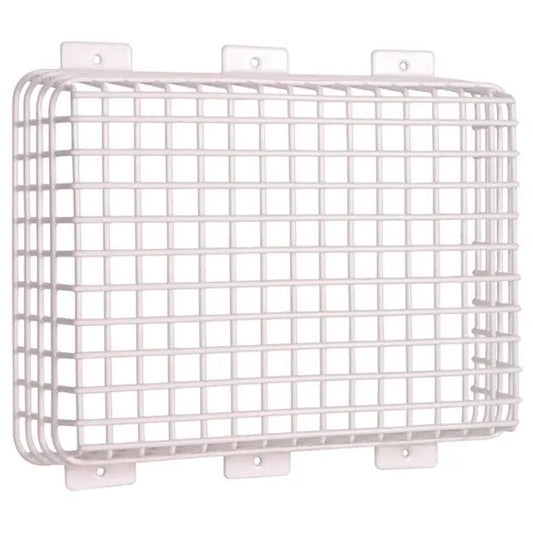

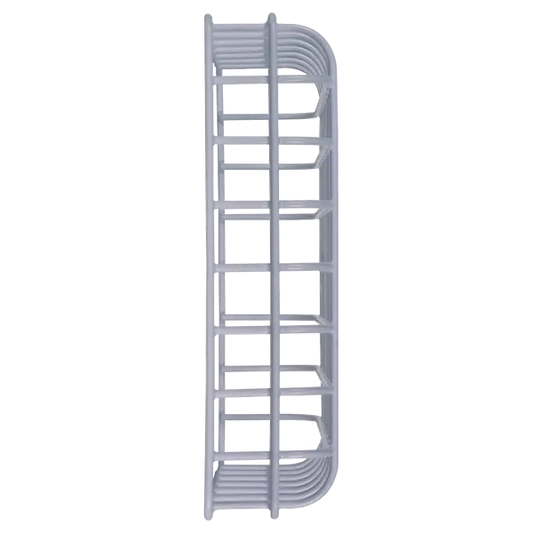
Collection: Protective cages for emergency lighting – protection without loss of function
A protective cage for emergency lighting is the ideal solution to protect emergency lighting fixtures from damage, vandalism, and impact. In environments where emergency lighting is visible and accessible, a protective cage prevents this essential safety feature from being damaged or failing.
The protective cages in this collection are specially designed for emergency and escape route lighting. Thanks to the open and robust construction, the light remains fully visible while the fixture is optimally protected against external influences. This ensures the safety and visibility of escape routes.
Why use a protective cage for emergency lighting?
Emergency lighting plays a crucial role in evacuations and must always function reliably. When a fixture is damaged by impacts, vandalism, or industrial stress, this can directly affect safety. A protective cage for emergency lighting prevents this and extends the lifespan of the installation.
Protective cages are often made of sturdy steel wire with a coating, making them suitable for both indoor and outdoor use and resistant to heavy use.
Applications of protective cages for emergency lighting
Protective cages for emergency lighting are widely used in:
- Sports halls and schools
- Warehouses and industrial environments
- Parking garages and public spaces
- Workshops and logistics centers
- Commercial buildings and utility construction
In these situations, a protective cage prevents damage from, for example, balls, machines, or other impacts.
Benefits of a protective cage for emergency lighting:
- Protection against vandalism and damage
- Unobstructed light emission without loss of function
- Robust construction of steel or polycarbonate
- Suitable for heavily used environments
- Easy to install
A protective cage for emergency lighting ensures reliable operation of your safety lighting and prevents failure at critical moments.
View the range of protective cages for emergency lighting above and choose the right solution for your application.
